The Sanctuary of Santa Eulalia
Totana is a municipality in the Region of Murcia, located in the Guadalentín Valley, on the natural route that connects the Levante region with Andalusia, just forty kilometers from the city of Murcia and thirty from the Mediterranean coast. Its excellent transport links are facilitated by the Mediterranean Highway and the railway line, which carries several commuter trains daily and connects to various cities.
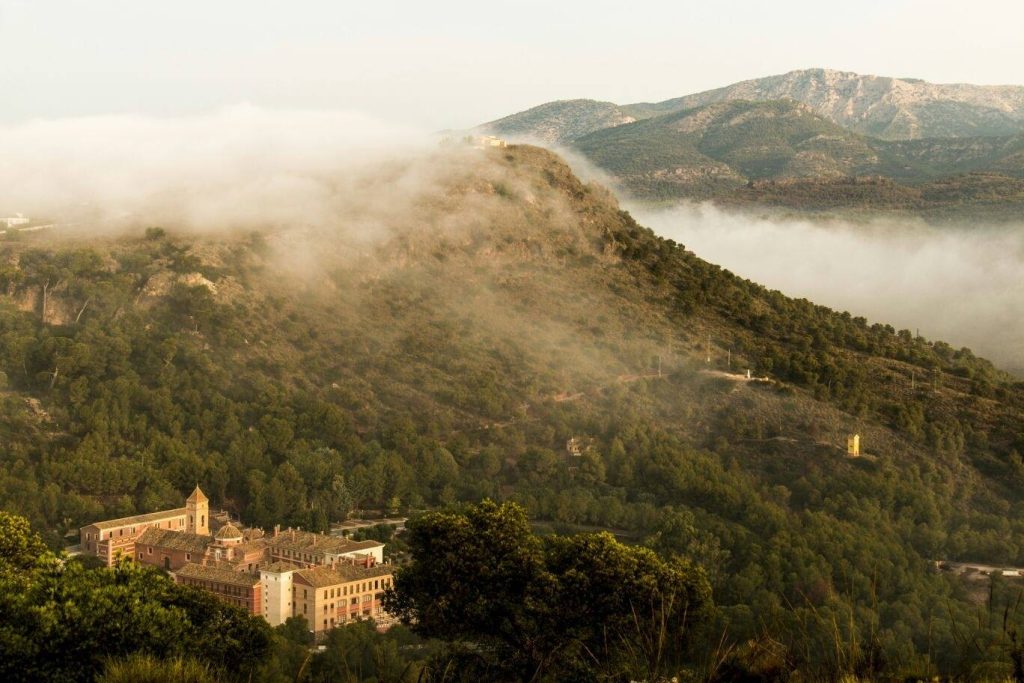
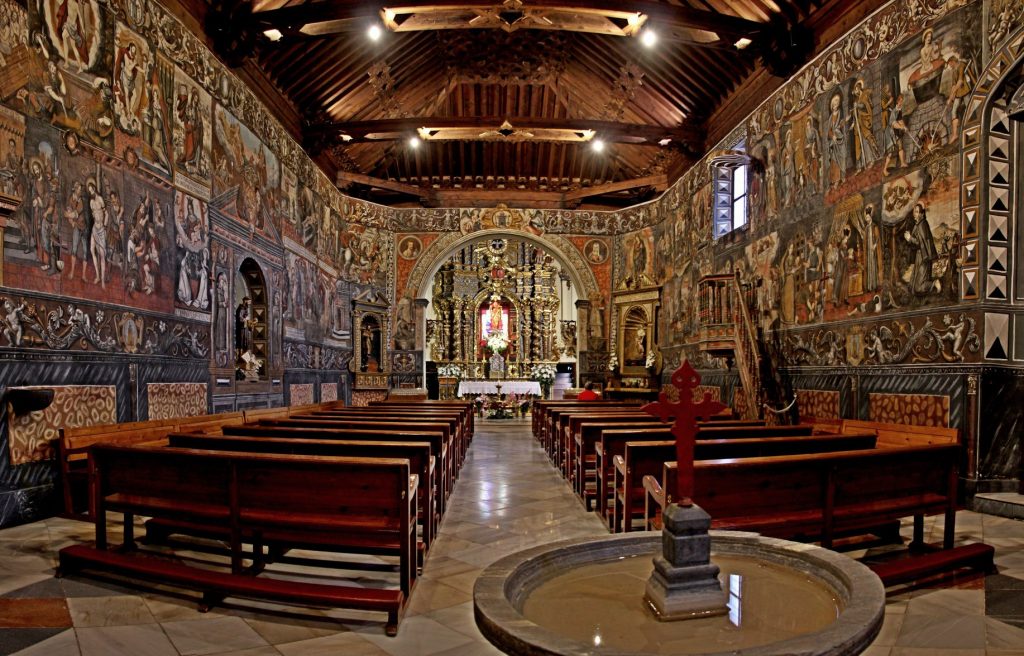
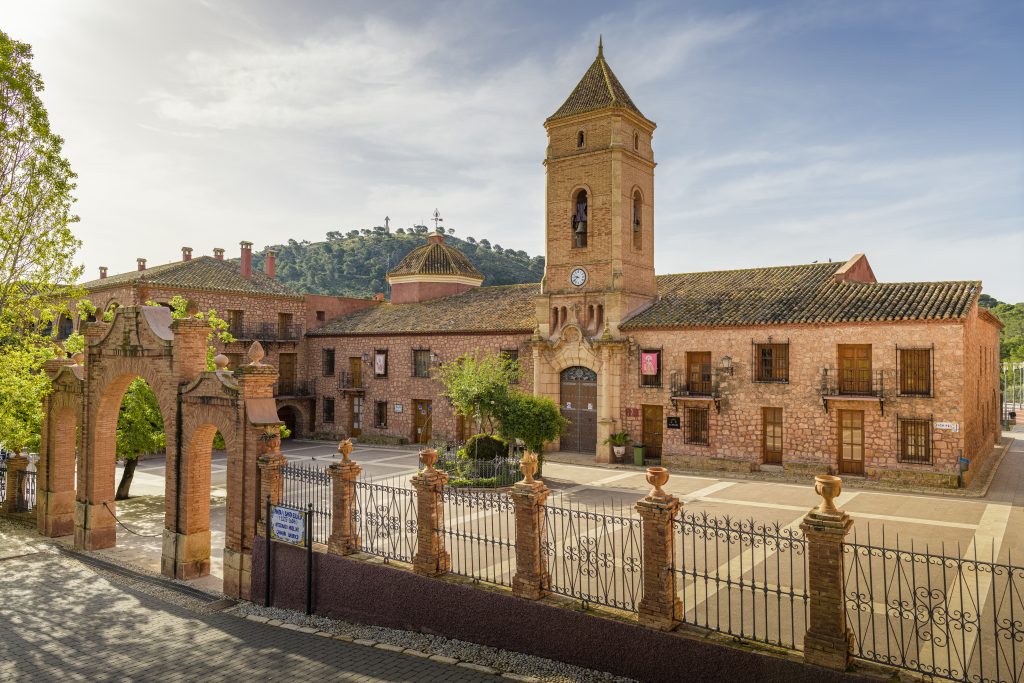
At the foot of the Sierra Espuña mountain range is the Sanctuary of Santa Eulalia.
The Sanctuary of Santa Eulalia de Mérida, “the Saint,” is located seven kilometers from the city of Totana. It is accessed via a road that runs through the orchards of this municipality, a place where orange, lemon, and almond trees, along with flowers, offer a particularly fragrant display.
This road continues amidst the scents of pine trees, rosemary, and thyme to enter the foothills of the Sierra Espuña, where the architectural complex of “La Santa” emerges in harmony with nature. From there, the medieval town of Aledo is reached by a road also surrounded by soft Mediterranean vegetation.
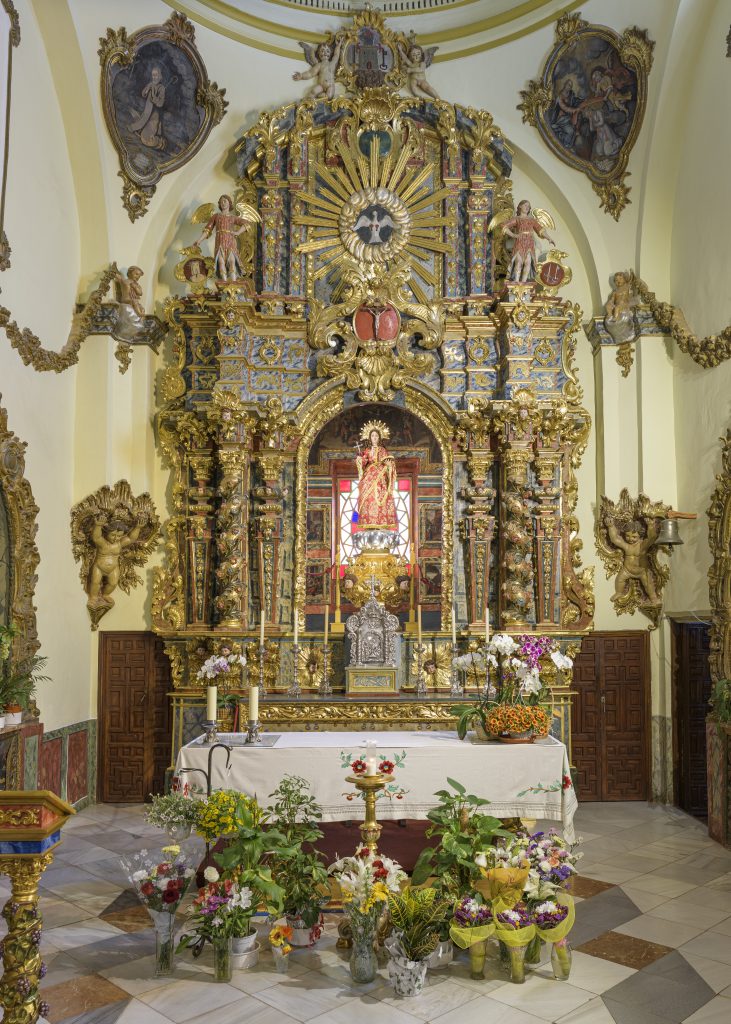
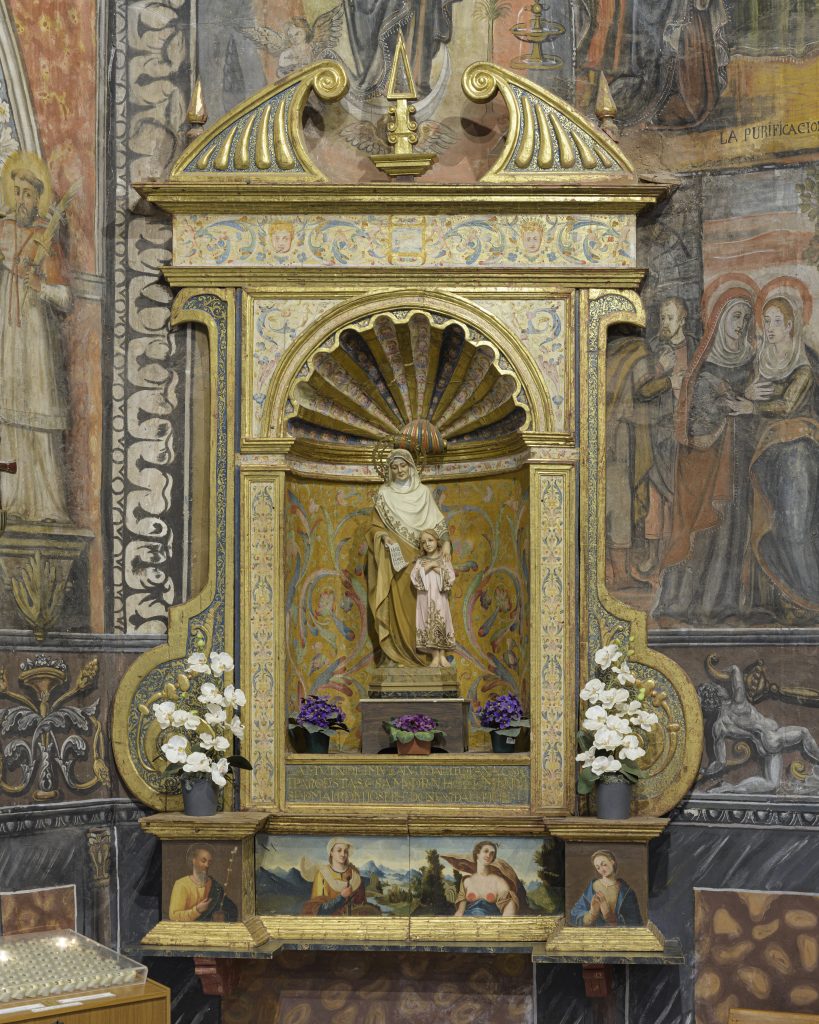
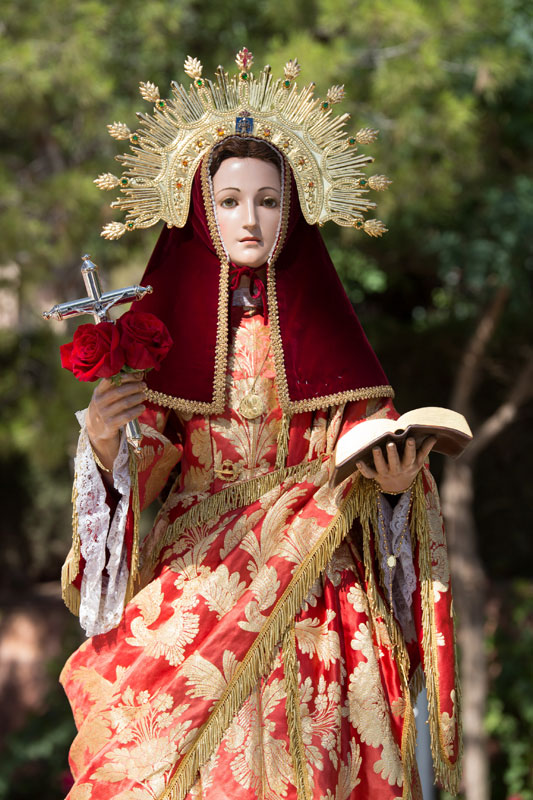
In this sanctuary, the image of Saint Eulalia of Mérida, patron saint of Totana since 1644, is venerated. This devotion extends beyond the city limits to other parts of the Region of Murcia, as well as to other regions, from where pilgrims and devotees arrive.
The origin of the sanctuary dates back to medieval times. It was the knights of Santiago who brought the devotion to Saint Eulalia to Totana, as these lands were donated by Alfonso X the Wise in 1257 to the Military Order of Santiago and its master Pelay Pérez Correa, a figure associated with the city of Mérida.
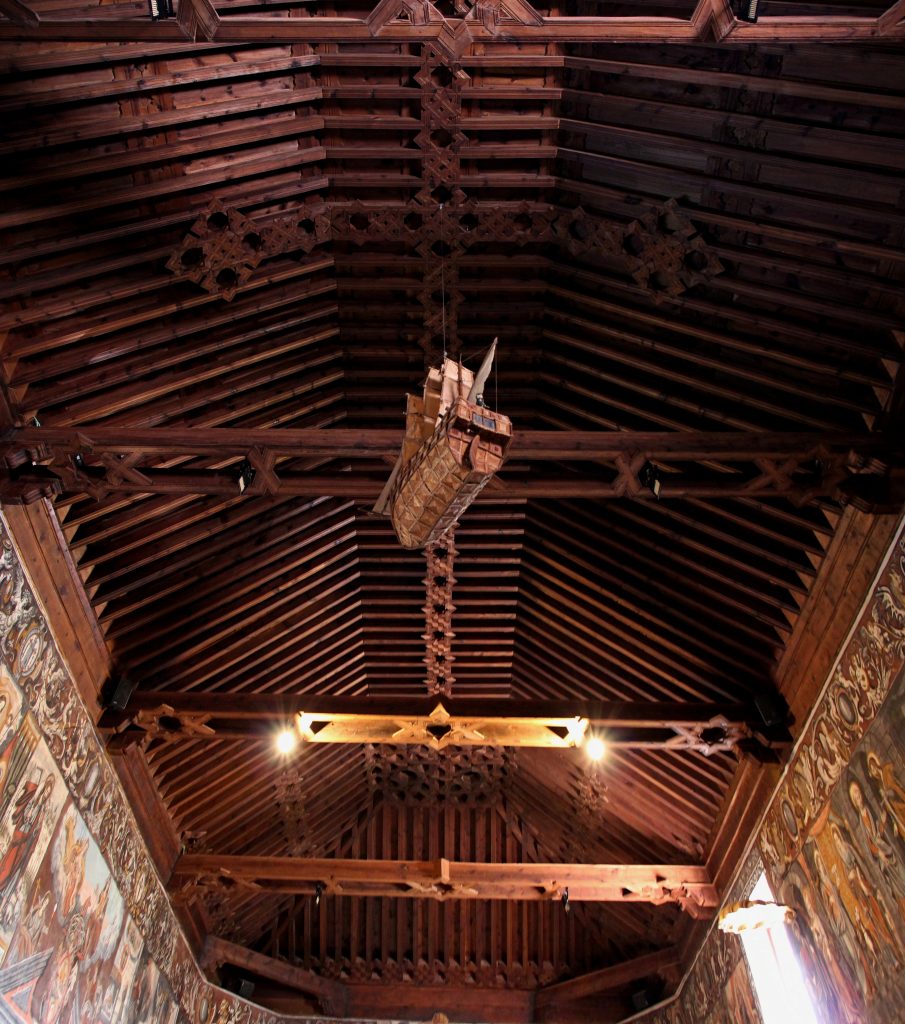
Since the late 15th century, we know that a hermit looked after the hermitage and its garden. It was then “…a nave with good walls, a roof of good wood and a terrace, with good doors and iron locks…”
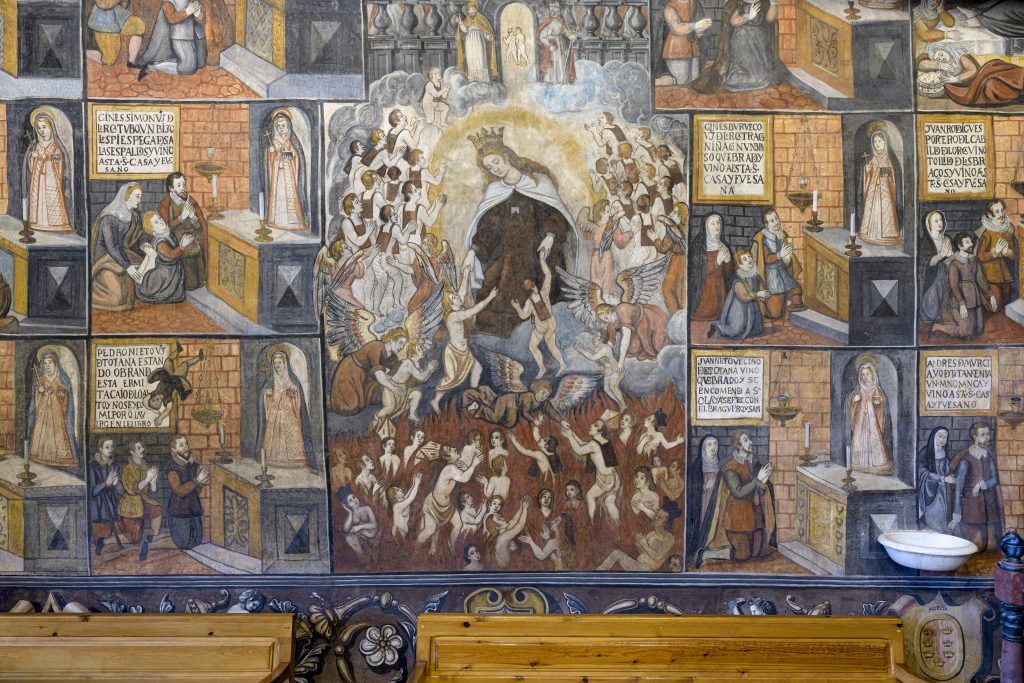
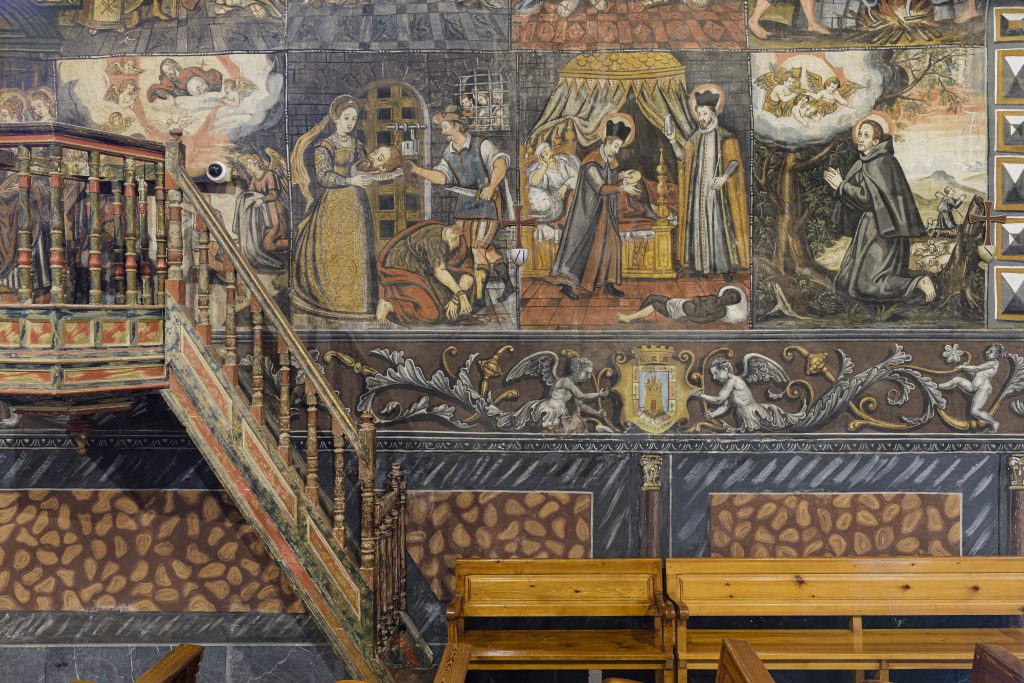
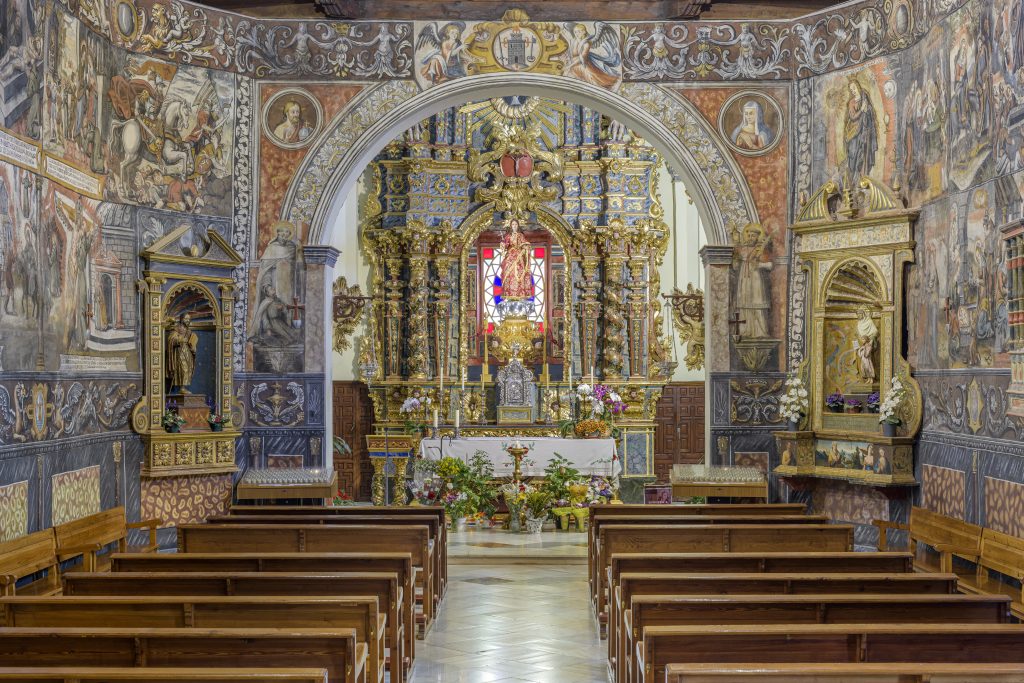
It was in 1573 that the Council ordered the necessary works to “…begin the church and hermitage of Our Lady of Santa Olalla,” using the old building for this purpose. Once the temple work was completed by the end of the 16th century, construction work was then undertaken with the aim of creating the complementary infrastructure for this sacred place.